
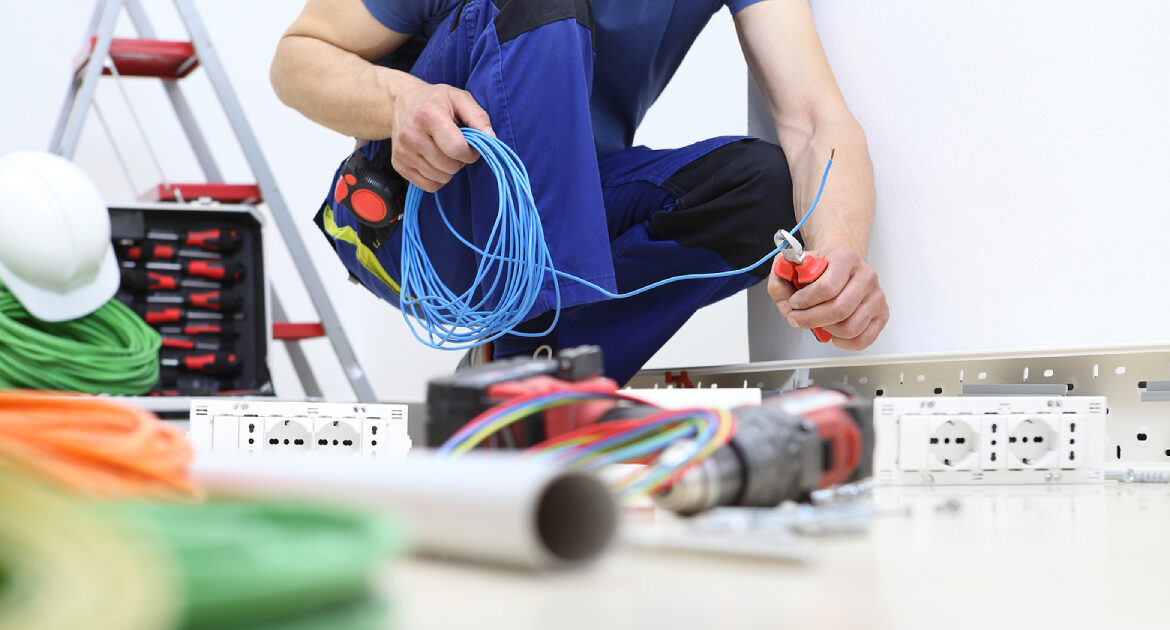
Electricity is not something you take lightly. A flickering light bulb or a tripped switch might look simple enough to fix, but once wires, circuits, or distribution boards are involved, the risks escalate. Electrical current is invisible, silent, and unforgiving – a single wrong move can cause shocks, fires, or long-term damage to your home’s wiring. Unlike painting a wall or tightening a loose hinge, electrical repairs carry consequences that are often dangerous and expensive.
Many people in Singapore are used to rolling up their sleeves and giving DIY a go, whether it’s fixing a leaky tap, painting a room, or even exploring small home upgrades. But electrical work? That belongs in a different category altogether. Licensed electricians undergo training, certification, and hands-on experience for a reason; they understand the science and safety protocols that keep your household protected. Attempting major electrical work without this knowledge is like driving blindfolded: risky and unnecessary.
Why DIY electrical repairs are so risky
1. Safety hazards are immediate and severe
Electricity doesn’t forgive mistakes. A minor error when handling live wires can lead to serious injury or even electrocution. In Singapore, household circuits carry enough current to cause burns or fatal shocks. Fires from faulty wiring are another real threat. While a DIYer might think they’ve done the job correctly, poor connections or the wrong type of wire can overheat over time, turning your home into a fire hazard waiting to happen.
2. Lack of proper tools and knowledge
Professional electricians don’t just bring their expertise, they also have the right equipment to diagnose and fix issues safely. Most homeowners lack insulated tools, voltage testers, or circuit analysers, all of which are essential when handling electrical systems. Even something as straightforward as identifying the correct breaker requires knowledge of how the distribution board is wired.
3. Voiding warranties and insurance
Attempting electrical work on your own can void warranties on appliances or even affect your home insurance coverage. If a fire or accident is traced back to unauthorised repairs, your claim may be rejected. In a country like Singapore, where many homes are HDB flats or condos, compliance with building codes is especially important, not just for your household, but also for your neighbours.
4. Compliance with regulations
Singapore has strict regulations for electrical work. Only a Licensed Electrical Worker (LEW) can legally carry out certain types of installations or modifications. This ensures that safety standards are upheld and that the electrical system in your home remains compliant with national codes. Just as there are HDB and condo hacking and demolition rules to ensure structural safety, electrical work has its own set of strict requirements that must be followed.
The hidden costs of DIY electrical repairs
At first glance, DIY might seem like a money-saving solution. Why pay a professional when you can search online tutorials and “give it a go”? The truth, however, is that mistakes often end up costing far more.
- Botched jobs mean double spending – An improperly fixed circuit often requires an electrician to undo the damage before making the correct repair, which adds extra labour and parts costs.
- Damage to appliances – A wrong connection can fry expensive electronics like fridges, air conditioners, or televisions.
- Structural impacts – In some cases, faulty wiring hidden behind walls or under cement screed flooring in homes can go unnoticed for months, until overheating or sparks trigger a bigger problem.
Instead of saving a few dollars, you risk bills that run into the thousands, not to mention the stress of dealing with emergencies.
Common electrical issues best left to professionals
Not all electrical problems are created equal. While changing a light bulb or plugging in a power strip is harmless, the following should never be attempted without professional expertise:
1. Wiring replacements – Whether upgrading old wiring or installing new points, this work involves understanding current loads and safe insulation.
2. Distribution board issues – The DB box is the heart of your home’s electrical system. Tinkering with breakers without proper training is a recipe for disaster.
3. Power socket installations – Getting the wiring wrong can lead to short circuits and burnt-out appliances.
4. Lighting fixtures with complex wiring – Chandeliers, recessed lighting, and ceiling fans often involve multiple connections that must be handled with precision.
5. Major appliance installations – Ovens, aircon units, and washing machines require correct wiring to dedicated points.
Even if these seem manageable with a YouTube tutorial, the risks involved far outweigh any perceived savings.
Why hiring a licensed electrician makes all the difference
- Professional expertise
A licensed electrician doesn’t just “fix” a problem, they diagnose the root cause. If your circuit keeps tripping, it may not be about overloading; it could be faulty wiring, grounding issues, or even a hidden short. Identifying and addressing the real cause prevents the same issue from recurring.
- Safety and assurance
When you hire a professional, you can trust that proper safety checks have been done. From using the correct cables to ensuring your system is grounded, licensed electricians provide peace of mind. You’re not left wondering if your DIY attempt will fail in the middle of the night.
- Long-term reliability
Properly executed repairs extend the lifespan of your home’s electrical system. Instead of temporary fixes, you get lasting solutions that meet regulatory standards. That means fewer breakdowns, fewer emergencies, and more confidence in your home’s safety.
How to know when to call a pro
Sometimes it’s not obvious when you need an electrician. Here are signs you should pick up the phone:
- Circuit breakers keep tripping.
- Outlets spark or feel warm to the touch.
- Lights flicker even after changing bulbs.
- You notice a burning smell near sockets.
- You’re planning renovations or adding heavy appliances.
In all these cases, hesitation can make things worse. Professional help ensures quick, safe, and proper fixes before problems escalate.
Conclusion
DIY may be fun for crafts and simple household tasks, but major electrical repairs should never be one of them. The risks, from electrocution to fire hazards, insurance issues to costly mistakes, are far too great. Professional electricians are trained, equipped, and licensed to ensure every job is done safely and correctly, protecting both your family and your home.
If you’re facing electrical issues or planning renovation work, don’t leave it to chance. Reach out to Leong Yik Engineering & Contractor, where licensed experts handle everything from electrical repairs to installations with safety and quality in mind.