
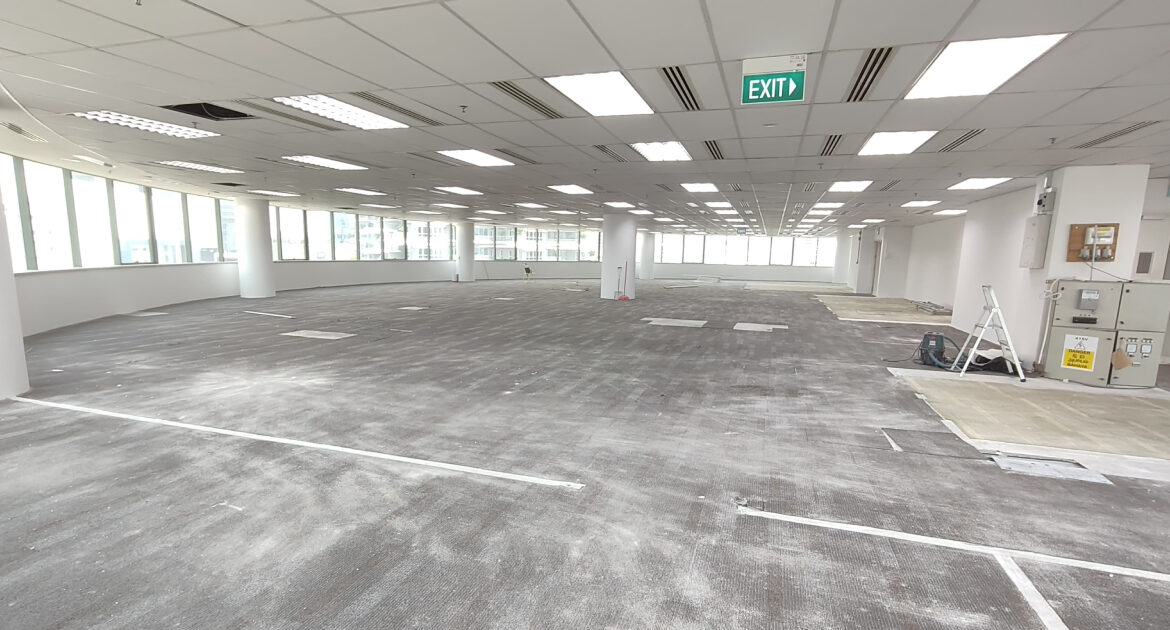
Property reinstatement can feel straightforward on the surface, but anyone who’s managed a handover knows there’s plenty of room for things to go wrong. Whether you’re a tenant preparing to return a space to its original condition or a business owner working through a move, small missteps can lead to delays, unnecessary costs, and frustration. These issues tend to show up only when you’re pressed for time, which makes the experience even more stressful.
It doesn’t help that reinstatement often involves many moving parts. You may need to coordinate dismantling works, electrical removal, flooring repairs, painting, and even M&E reinstatement, all while keeping to strict deadlines set by landlords. With so much to juggle, it’s easy to overlook essential details, especially if you’re doing this for the first time. Understanding common mistakes can save you time, money, and countless headaches.
Mistake #1: Misunderstanding your lease agreement
One of the biggest pitfalls is assuming you know what needs to be reinstated. Lease agreements in Singapore vary widely, and many tenants only read the reinstatement clause after they’ve already started planning works. Some landlords may expect a full return to the unit’s bare condition, while others require only selective reinstatement, such as removing partitions or restoring flooring.
Make sure you reread your lease well before the handover date. Take note of any specific instructions, and if something isn’t clear, check with your landlord or building management. This prevents unnecessary works, disputes, and last-minute scrambling.
Mistake #2: Not getting a proper site assessment
Some tenants skip a detailed site assessment and rely solely on memory. This often leads to mismatched expectations when the landlord inspects the unit. A professional assessment helps you identify hidden issues, existing wear and tear, and areas that need more extensive work.
Working with a reliable commercial renovation contractor can help you spot things you might miss, such as hairline wall cracks, loose wiring, uneven flooring, or signs that roof leaks have happened in older buildings. A proper assessment also allows you to prepare an accurate budget and timeline.
Mistake #3: Poor budget planning
It’s common to underestimate reinstatement costs. Many people forget to include smaller expenses such as haulage fees, disposal charges, additional touch-ups, or specialised repairs. When these costs stack up, the final bill may exceed your initial expectations.
Get multiple quotations and compare what each package includes. Some companies appear cheaper upfront but charge extra for essential tasks like debris removal or patch-up works. Ensure every cost is accounted for so you’re not caught off guard halfway through the project.
Mistake #4: Rushing the timeline
Leaving reinstatement work to the last minute is one of the most stressful mistakes you can make. Landlords generally set strict exit dates, and rushing can lead to sloppy workmanship, missed steps, or incomplete reinstatement. This may result in penalties or even forfeiture of your security deposit.
Start planning as early as possible. Ideally, begin discussions at least one to two months before the end of your lease. This gives you ample time to coordinate with contractors, schedule works, and manage any unforeseen delays.
Mistake #5: Overlooking electrical and M&E works
Many tenants focus on the visible parts of reinstatement, such as removing built-ins or repainting. However, electrical and mechanical works are just as important. Failing to restore original wiring layouts, light fittings, air-conditioning systems, or trunking is a common oversight.
These components often need certified technicians and, in some cases, building approval. Skipping this step may result in failed inspections, rework, and additional costs. Always include M&E reinstatement in your project plan and engage professionals who understand building regulations.
Mistake #6: Not prioritising safety
Safety is often assumed rather than planned for, especially in tight timelines. Reinstatement involves drilling, dismantling, electrical work, and working at height. If safety isn’t properly managed, accidents can happen, leading to injuries and work stoppages.
Choose a contractor that takes safety seriously. This includes having trained workers, proper equipment, and a clear workflow for risk management. Always ensure that the team follows building safety regulations, especially in commercial and industrial settings.
Mistake #7: DIY approaches that backfire
Trying to save money by doing certain reinstatement tasks yourself can create more problems than it solves. Painting, for example, might look easy, but poor surface preparation leads to uneven finishes. Removing partitions without understanding the structural layout can cause damage. Disconnecting electrical elements without proper training is risky.
Professional reinstatement teams have the right tools, skills, and experience to complete tasks efficiently. Instead of fixing DIY errors later, it’s usually more cost-effective to get the job done right from the start.
Mistake #8: Ignoring building regulations
Every building has its own guidelines for renovation and reinstatement. These may include working hours, noise restrictions, disposal requirements, and access control. Not following these rules can lead to work delays or even fines.
Before starting the project, check with your building management. A good contractor will also help you handle the administrative side, such as submitting permits or arranging escorts for specific areas. Understanding and following these rules keeps your project on track.
Mistake #9: Not documenting the process
Documentation is essential during reinstatement. Some tenants skip taking photos or recording what was removed and restored. When disputes arise, having before-and-after evidence protects you from being held responsible for issues that weren’t yours to begin with.
Keep clear records of works completed, materials used, and any correspondence with the landlord or contractor. This gives you peace of mind and can speed up the handover process.
Mistake #10: Choosing the wrong contractor
Not all contractors specialise in reinstatement. Some focus more on building rather than dismantling. Choosing the wrong partner may result in incomplete or non-compliant works that fail inspection.
Look for a team familiar with reinstatement requirements across commercial, retail, and industrial spaces. They should understand how to remove, restore, and reinstate safely and efficiently. Experience, transparency, and communication are key factors when deciding who to work with.
Mistake #11: Failing to plan for waste disposal
Reinstatement generates a surprising amount of debris, including broken partitions, old furniture, drywall, and flooring. Some tenants assume the contractor will handle it, only to realise later that disposal requires separate arrangements and fees.
Always confirm whether disposal is included in the quotation. If the building has specific rules for haulage or loading bay booking, schedule these early to avoid delays.
Mistake #12: Not performing a final inspection before handover
Finally, many tenants skip their own final inspection before calling the landlord. This can lead to missed spots such as unpainted patches, leftover screws, or minor damages that still require attention.
Walk through the unit carefully after the contractor completes the job. Test lights, check walls, look at flooring, and make sure everything matches the original condition stated in your lease. This simple step can save you time and prevent disputes during the landlord’s inspection.
Conclusion
Property reinstatement doesn’t have to be intimidating. When you understand the common mistakes and plan ahead, the process becomes smoother, more predictable, and far less stressful. If you’re preparing for reinstatement work or need expert support, reach out to Leong Yik Engineering & Contractor for professional assistance tailored to your space and timeline.