
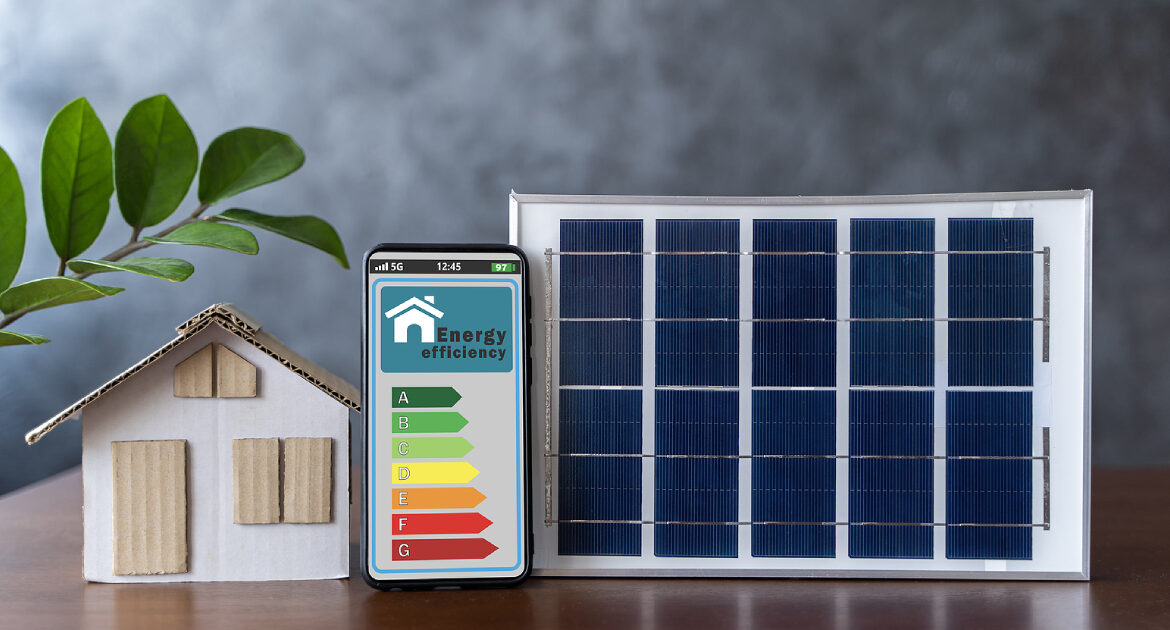
Modern commercial buildings today come with features, systems, and technologies that many of us don’t fully understand at first glance. From advanced energy controls to integrated smart features, these spaces are becoming more complex, yet far more efficient. It’s no longer just about having a place to work. It’s about creating an environment that supports sustainability, comfort, and long-term value.
With sustainability becoming a priority across businesses in Singapore, the way we upgrade and maintain these spaces has changed as well. Green renovation isn’t a niche trend anymore. It’s a practical approach that helps companies reduce operational costs, meet environmental targets, and create better workplaces for their teams. If you’re planning a commercial renovation in Singapore, sustainable ideas can help you strike a balance between innovation, environmental responsibility, and everyday usability.
Why green renovation makes sense today
Commercial buildings consume a significant amount of energy daily, especially in Singapore’s hot and humid climate, where cooling systems run almost non-stop. Renovating with sustainability in mind helps reduce energy use without compromising comfort. It also allows businesses to align with global sustainability standards, which many partners, clients, and stakeholders now expect.
On top of that, sustainable renovations often lead to long-term savings. While some upgrades may involve a higher initial cost, the reduction in utility bills and maintenance expenses makes the investment worthwhile. A greener building is also more appealing to potential tenants or buyers, which is helpful in a competitive property market.
1. Maximise natural light with smart layout planning
One of the simplest ways to make a building greener is to bring in more natural light. Many older commercial buildings were designed with small windows and dark layouts, but modern renovations can change this.
Consider glass partitions, larger windows, or skylights where possible. Natural light reduces dependence on artificial lighting, creates a more pleasant environment, and boosts productivity. It’s also helpful for the well-being of employees, who often spend long hours indoors.
If structural changes aren’t possible, light-coloured walls, mirrors, and reflective surfaces can help brighten a space, too.
2. Upgrade to energy-efficient lighting and appliances
LED lighting has become the standard for green renovations, and for good reason. They use far less energy, last longer, and produce less heat compared to traditional bulbs. Smart lighting systems can take things further by adjusting brightness automatically based on movement or daylight levels.
Appliances and equipment should be updated with energy-efficient models as well. Look for energy ratings when choosing air-conditioning units, office appliances, or kitchen equipment. Each small change contributes to less energy consumption and lower operational costs.
3. Improve indoor air quality with eco-friendly materials
Sustainable renovation isn’t just about energy. It’s also about improving the health and comfort of those who use the space daily. Indoor air quality can be affected by pollutants from paint, flooring, adhesives, and cleaning products.
Choose materials with low VOC (volatile organic compounds) content. These are safer, smell less, and help maintain a healthier indoor environment. Eco-friendly paints, recycled carpets, and green-certified wood products are widely available in Singapore.
Bringing indoor plants into your layout is another simple step. Plants can improve air quality, reduce stress, and make the space feel more inviting.
4. Embrace water-saving fixtures and systems
Water efficiency is another key part of sustainable renovation. Simple upgrades such as motion-sensor taps, low-flow toilets, and water-efficient dishwashers can significantly reduce consumption in commercial spaces.
Businesses with larger premises can explore rainwater harvesting systems or greywater recycling. These may require more planning, but they’re useful for long-term sustainability and cost savings.
5. Introduce smart building technology
Smart building systems help monitor and manage energy consumption in real time. For example, smart thermostats and sensors can adjust cooling automatically. This matters in Singapore, where air-conditioning forms a major part of a building’s energy use.
These technologies also allow facility managers to track patterns, identify inefficiencies, and optimise usage. It’s a practical way to reimagine your commercial space without major structural changes.
6. Use sustainable construction materials
When upgrading floors, walls, or structural elements, consider eco-friendly construction materials. Options include recycled steel, sustainable timber, and low-carbon concrete. These materials help reduce the environmental impact of renovation works and often come with enhanced durability.
In flooring, bamboo and cork are renewable choices gaining popularity. For walls, recycled gypsum boards and green-certified insulation offer better performance with less environmental harm.
7. Improve thermal efficiency with better insulation
Good insulation is crucial in a tropical climate. While many think insulation is only for colder countries, it actually helps keep cool air inside and prevents heat from entering the building. This reduces the workload on air-conditioning systems and lowers electricity usage.
Options include insulated walls, ceilings, and even window films that reduce heat transmission. Some businesses also choose double-glazed windows for improved energy control.
8. Build flexible, multi-use spaces
Green renovation isn’t just about materials and technology. It’s also about designing a space that can evolve over time. A flexible layout reduces the need for future heavy renovation works that generate waste.
Modular furniture, movable partitions, and open-plan concepts make it easier to adapt the space for new teams, new purposes, or hybrid work arrangements. This approach supports long-term sustainability by reducing demolition and rebuilding.
9. Add greenery and outdoor elements
Biophilic design has become quite popular in offices and commercial spaces. Incorporating plants, green walls, or small outdoor corners can help regulate temperature, improve air quality, and boost employee morale.
If your building has a rooftop, consider a green roof. These help with insulation, reduce stormwater runoff, and provide an attractive feature for staff and visitors.
10. Reduce waste through sustainable practices
Renovation often produces a large amount of waste, from old fixtures to construction scraps. Working with contractors who follow sustainable waste management practices makes a difference.
Ask about recycling options, responsible disposal methods, and ways to reuse existing materials. For instance, old wood can be refurbished, and metal components can often be recycled.
Conclusion
Green renovation isn’t just about following a trend. It’s about making practical, long-lasting improvements that benefit the environment, your employees, and your bottom line. Modern commercial buildings in Singapore are already equipped with advanced systems and smart features, so upgrading them sustainably ensures you get the best out of your investment.
If you’re ready to give your workplace a fresh, eco-friendly update, reach out to Leong Yik Engineering & Contractor, a team that provides reliable renovation and engineering solutions tailored to your needs. They’re ready to help you create a commercial space that’s sustainable, efficient, and built for the future.