
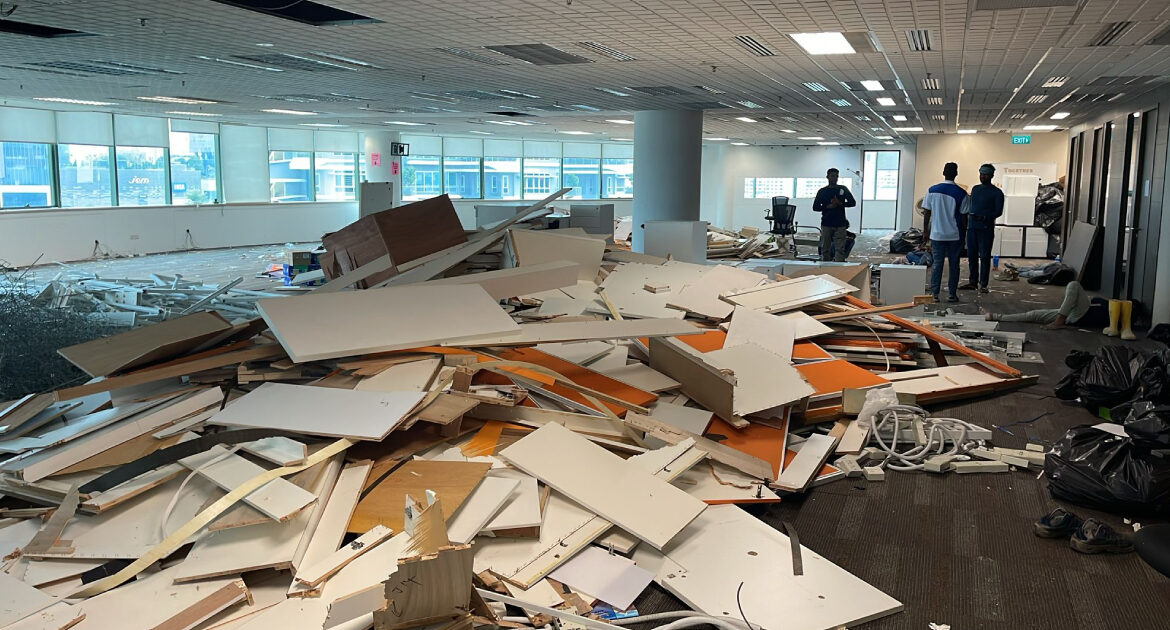
Office reinstatement is never a task you can gloss over, especially in Singapore, where lease agreements tend to be detailed, and landlords often have strict expectations. Tenants moving out of a commercial space usually realise that the process involves far more than just cleaning up and returning the keys. Every office has unique features, layouts, and modifications, so the reinstatement process varies depending on how much renovation was done and what the lease requires. This makes it important for tenants to understand their responsibilities early and plan ahead.
It’s also worth noting that reinstatement can affect your handover timeline and overall business continuity. If you leave everything to the last minute, you may end up dealing with unexpected delays, additional costs, or disputes with your landlord. By understanding what needs to be done and how to approach the process step by step, you’ll be in a much better position to manage expectations and hand over your space smoothly. Whether you handled minor improvements or carried out a full facelift, reinstatement remains a crucial part of closing your tenancy properly.
Understanding what reinstatement involves
Reinstatement refers to restoring the office to its original condition before you moved in. Most tenants make some level of modification over the years, such as building meeting rooms, repainting walls, or installing additional electrical points. While these changes enhance daily work and often support productivity, they also need to be removed or reversed before handing the space back.
Landlords usually outline reinstatement requirements in the lease agreement. Some expect a bare unit with no partitions, while others allow certain fixtures or carpentry to remain. Either way, reading your contract carefully helps you determine the scope of work early. If anything is unclear, speaking to your building management or landlord can prevent misunderstandings later.
Step 1: Review your lease and document the current condition
Start by pulling out your tenancy agreement and taking note of clauses related to reinstatement. It’s common for tenants to overlook the reinstatement details during the excitement of moving in, only to realise later that the requirements are more extensive than expected.
After reimagining your commercial space with renovation, document the office’s current condition thoroughly. Take photos, list down customised features, and compare everything with the “before” pictures from when you first took over. This visual record helps you understand the work required and serves as evidence should any disputes arise.
Step 2: Conduct a walk-through with your landlord
Arrange a walk-through with your landlord before you begin any work. This step helps both parties align expectations and clarify what must be removed or repaired. Some landlords may allow certain elements to remain if they see value in them, such as built-in shelves or newly installed lighting. On the other hand, they might require full removal of partitions, wiring, and flooring that differ from the original state.
The walk-through also gives you a chance to highlight existing defects you’re not responsible for. Clarifying these points early minimises the risk of unnecessary charges later.
Step 3: Plan your reinstatement timeline
Reinstatement projects may look simple on paper, but they often involve several layers of demolition, carpentry, electrical work, painting, and cleaning. Because of this, you’ll need a proper timeline, especially if you’re still operating out of the space while preparing to move.
Here are a few factors to consider when planning your schedule:
- Lead time for contractors to start work.
- Working hours allowed by the building management.
- The scale of reinstatement required based on your renovations.
- Your lease end date, which is non-negotiable.
If you’re also handling a move to a new office, coordinate both schedules to avoid overlapping tasks or disruption to your business operations.
Step 4: Work with experienced reinstatement and renovation professionals
While some companies may consider handling minor reinstatement work on their own, most offices benefit from hiring professionals familiar with reinstatement guidelines and building regulations. Experienced contractors know the typical standards expected by landlords and can carry out the removal and restoration work smoothly.
Since many reinstatement projects come right after tenants undergo commercial renovation in Singapore, it helps to work with a contractor who understands both renovation and reinstatement standards. They’ll be able to manage tasks such as dismantling joinery, removing glass partitions, reinstating ceiling boards, patching up electrical points, and repainting walls so the space looks as close to the original state as possible.
Step 5: Remove fixtures and reinstate essential systems
Once work begins, the physical dismantling starts. This includes:
- Removing all temporary structures like partitions and false ceilings.
- Dismantling built-in furniture, shelving, or storage units.
- Taking down signages, decals, and branding elements.
- Reversing any modifications to lighting, electrical points, or data cabling.
- Restoring flooring to its original condition if required.
- Ensuring air-conditioning units, vents, and ceiling features match their initial layout.
During this stage, proper disposal of debris is essential. Most commercial buildings in Singapore have strict rules and assigned disposal areas, so your contractor must follow them closely.
Step 6: Repair and repaint the interior
After the demolition and removal works, the next step is to repair and restore the office interior. This includes patching up holes, fixing wall dents, repairing tile cracks, touching up skirting boards, and smoothing out uneven areas. Even if you didn’t cause major damage, wear and tear tends to accumulate over the years.
Repainting is often mandatory, especially if you had custom colours or feature walls. Landlords prefer receiving the unit in a neutral state so the space is ready for future tenants. Fresh paint also helps the office look clean, polished, and well-maintained during the handover inspection.
Step 7: Restore electrical and mechanical systems
Electrical reinstatement is a major part of most projects. It involves removing additional power points, data points, and network cabling that weren’t part of the original unit. This ensures the new tenant receives a unit that matches the original building’s electrical design.
Other reinstatement tasks may include:
- Reinstalling standard lighting fixtures.
- Ensuring fire safety systems remain functional and compliant.
- Resetting air-conditioning controls.
- Checking plumbing if your office had a pantry or water supply.
These elements often require certified workers, especially for buildings with strict safety protocols.
Step 8: Conduct professional cleaning
Once the space is fully restored, a professional deep clean is necessary. Reinstatement work tends to produce dust, debris, and paint residue, so a thorough cleaning ensures the unit looks presentable and ready for inspection. A clean space also reduces the chances of your landlord requesting additional work before approving the handover.
Step 9: Carry out a final inspection with your landlord
Invite your landlord for a final walk-through once all reinstatement tasks are completed. This allows you to address any minor concerns immediately instead of receiving a reinstatement invoice later. Most landlords appreciate tenants who are proactive and organised, and a clean, restored unit often leads to a smooth and dispute-free handover.
Take photos during this stage, too, as they serve as proof that you handed the space back in an acceptable condition.
Conclusion
A successful office reinstatement hinges on proper planning, clear communication with your landlord, and the right professional support. By taking a structured approach and starting early, you’ll be able to return your unit with confidence and avoid unnecessary delays or extra charges. If you need reliable reinstatement services carried out with care and precision, reach out to Leong Yik Engineering & Contractor for expert support.