Electricity is not something you take lightly. A flickering light bulb or a tripped switch might look simple enough to fix, but once wires, circuits, or distribution..
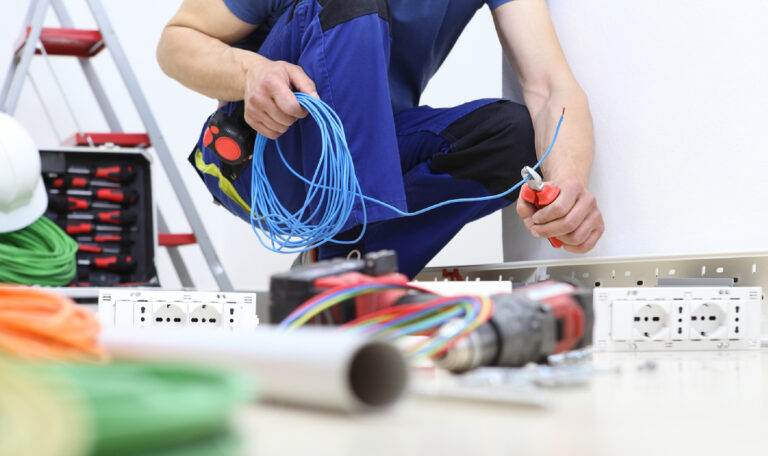

Mechanical, electrical, and plumbing systems play an essential role in keeping residential and commercial properties safe, functional, and suitable for everyday use. These systems may not always be visible, but problems with electrical supply, plumbing, drainage, ventilation, lighting, or other building services can quickly affect operations, comfort, and safety.
Our MEP & Building Maintenance guides explain these systems in practical terms for property owners, business operators, facility managers, building managers, and homeowners.
This category covers electrical works, plumbing, drainage, ventilation, lighting, power requirements, sanitary systems, MEP coordination, preventive maintenance, minor repair works, and common building-service problems. It also explores how these systems need to be considered during renovation, upgrading, fit-out, repair, and ongoing property maintenance.
For renovation projects, proper MEP coordination can help prevent problems such as insufficient electrical capacity, unsuitable service routes, drainage issues, conflicts between services and interior layouts, or the need to reopen completed finishes because building systems were not considered early enough.
For existing buildings, regular maintenance is equally important. Small issues such as leaking fittings, damaged fixtures, blocked drainage, worn components, lighting faults, or recurring electrical problems can become more disruptive if they are repeatedly postponed.
Our articles also help explain the difference between general maintenance tasks and works that may require specialist or licensed trades. This can help property owners understand when a straightforward repair may be sufficient and when further technical assessment is advisable.
Whether you are planning a renovation, managing a commercial property, maintaining an existing building, or troubleshooting a recurring electrical, plumbing, or maintenance issue, these guides are designed to help you understand the systems involved, identify potential concerns, and make better-informed decisions before arranging repair, maintenance, or renovation work.
Electricity is not something you take lightly. A flickering light bulb or a tripped switch might look simple enough to fix, but once wires, circuits, or distribution..
Buying a new home often feels like the start of a new chapter. Everything looks fresh, modern, and flawless on the surface. But plumbing issues can sometimes..