
Whether you’re renovating a hospital corridor or updating the walls in your new HDB flat, the surfaces that surround you have a huge impact on both style and functionality. Concrete walls might seem simple and durable, but there’s a lot you can do to improve their appearance, resilience, and even hygiene. From modern office spaces to residential living rooms, choosing the right wall finish can make a lasting impression and ensure long-term upkeep is easier.
Deciding between plastering and painting isn’t just a matter of aesthetics. It’s about understanding how each option interacts with your wall’s structure, the environment it’s in, and the lifestyle or traffic it needs to withstand. Whether you’re dealing with high-traffic areas like hospital hallways or trying to create a cosy, stylish home interior, the choice you make can affect both the look and longevity of your walls.
Why plastering might be the right choice
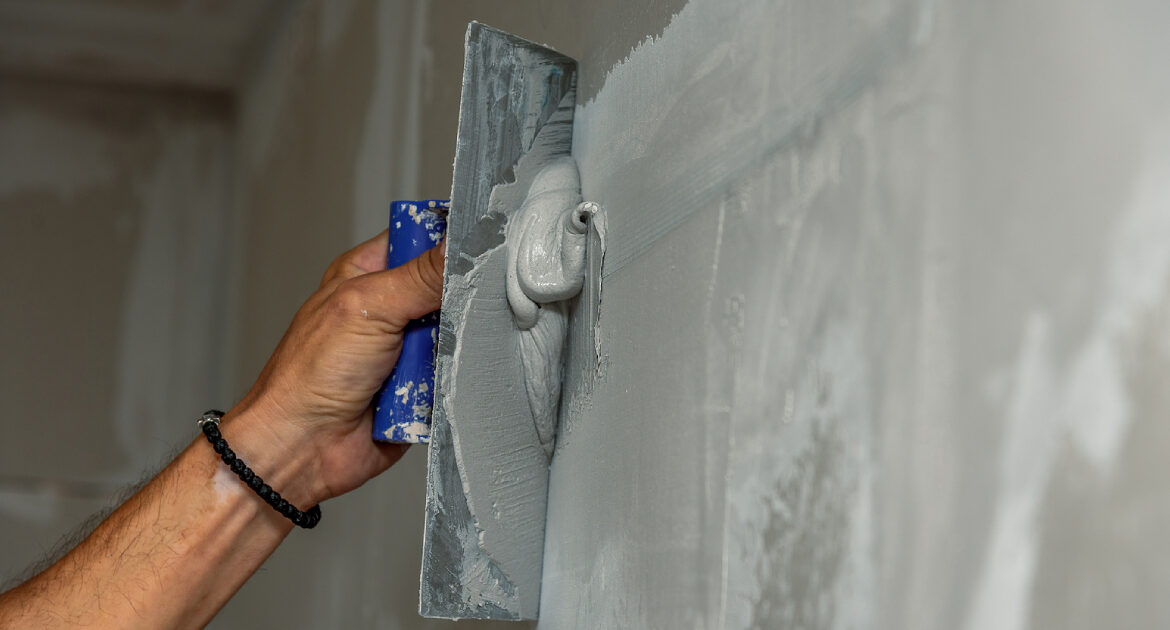
Concrete wall plastering is often the first step in creating a smooth, even surface. Freshly built walls are rarely perfectly flat, and plastering fills in small imperfections, cracks, and uneven patches. In residential settings, this creates a clean canvas for your chosen paint or decorative finish. For commercial projects, like office buildings or hospitals, plastering ensures walls are sturdy and uniform, providing a professional appearance that lasts.
Plastering also has practical benefits. A well-applied plaster layer can help seal the wall, reducing the risk of moisture penetration, which is crucial in Singapore’s humid climate. It also provides additional insulation, keeping interiors cooler and helping to maintain energy efficiency. In hospitals, for instance, a smooth plastered surface pairs well with specialised finishes like the Acrovyn® wall protection system, offering both durability and hygiene.
Another advantage is flexibility in finishing. Once plastered, walls can be painted, textured, or left as exposed plaster for a modern industrial look. For homeowners who enjoy experimenting with different colour schemes or decorative finishes, plastering opens up more creative possibilities than painting directly onto raw concrete.
The benefits of painting concrete walls
Painting is often seen as a quicker, more cost-effective option, and it certainly has its appeal. A fresh coat of paint can dramatically change the appearance of a room, adding colour, personality, and vibrancy without the extensive work plastering requires. For residential spaces, painting is a straightforward way to refresh your walls, with minimal disruption and a relatively low cost.
In commercial spaces, painting provides versatility and branding opportunities. Offices can use different colours to define spaces, hospitals can employ calming shades in patient areas, and shops can use bright hues to attract attention. Modern paints often come with features like anti-mould properties, easy cleaning surfaces, and weather resistance, which are particularly useful in Singapore’s humid climate.
However, painting directly on raw concrete comes with challenges. Concrete can be porous and uneven, which may lead to peeling or patchy coverage over time. Proper surface preparation, including cleaning and priming, is essential to ensure a smooth, long-lasting finish. While painting may initially be cheaper, poorly executed work can lead to more maintenance and repainting costs in the long run.
Key considerations for your walls
When deciding between plastering and painting, consider the function and location of the wall. High-traffic areas, such as corridors in hospitals, schools, or office buildings, benefit from plastering first to create a durable base. This ensures that the paint adheres properly and lasts longer, even under frequent cleaning or minor impacts.
For residential settings, think about how much wear and tear the walls will face. Living rooms and bedrooms may not require the same level of durability as kitchens or bathrooms, but plastering can still provide a smoother surface for an impeccable finish. Moisture-prone areas, like bathrooms, also benefit from a combination of plastering and specialised paint to prevent mould and damp issues.
Budget and timeline are other important factors. Plastering involves more labour and materials, so it can take longer and cost more upfront. Painting is quicker and less expensive initially, but may require more frequent maintenance. Balancing aesthetics, durability, and cost will help you make the best decision for your project.
Mixing plastering and painting for optimal results
Many property owners find that the best solution is a combination of both. Concrete wall plastering provides a solid, even surface, while painting adds colour and style. This two-step approach ensures your walls look flawless while remaining resilient over time.
In commercial settings, like hospitals or clinics, combining plastering with protective coatings or finishes can further enhance longevity. Smooth plastered walls are easier to clean and maintain, which is crucial for hygiene standards. Using specialised coatings can also protect against scratches and impacts, keeping walls looking fresh for years.
For homeowners, this combination allows for flexibility in interior design. You can choose textured paints for feature walls, vibrant shades for children’s rooms, or classic neutrals for living areas. The plastered base ensures that whatever paint or finish you choose adheres well and looks professional.
Practical tips for wall maintenance
Once your walls are plastered and painted, maintenance becomes simpler but still important. Regular dusting and cleaning prevent grime build-up, while touch-ups can address minor chips or scratches. In humid environments like Singapore, ensure that ventilation is adequate to reduce moisture accumulation, which can affect both plaster and paint.
Choosing high-quality paints and materials also makes a difference. Opt for products designed for the local climate, with properties like anti-mould resistance and UV protection. For commercial spaces, especially hospitals, selecting durable and easy-to-clean finishes can save time and reduce maintenance costs in the long run.
Conclusion
Choosing the right approach for your concrete walls comes down to understanding the balance between durability, aesthetics, and functionality. Concrete wall plastering provides a smooth, long-lasting base, while painting adds colour and personality to any space. By considering your environment, traffic levels, and long-term maintenance, you can select a solution that suits both residential and commercial needs.
If you’re looking for professional guidance and quality workmanship in concrete wall plastering and finishing, Leong Yik Engineering & Contractor offers expert services tailored to your project. Our team ensures durable, aesthetically pleasing results for both residential and commercial properties.