
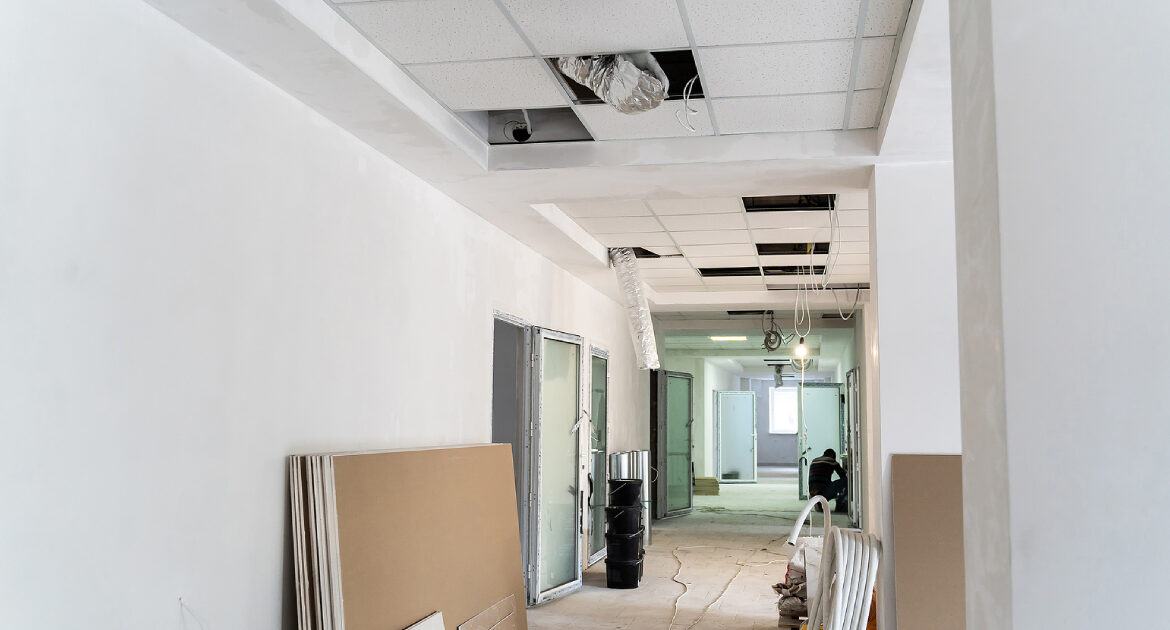
Hospital operations run round the clock, and every moment matters. Patients come in with pressing needs, and medical teams work tirelessly to deliver timely care. In such an environment, even a small disruption can affect how quickly someone receives attention. It’s not an exaggeration to say that hospitals operate in a world where decisions, responses, and accessibility can influence life and death outcomes. Because of that, the stakes are naturally higher whenever any form of construction or improvement work is planned.
Renovation becomes even more sensitive when you consider the people at the heart of the hospital, like patients, families, nurses, doctors, therapists, and support staff. Any noise, dust, or temporary changes to access routes can cause confusion or discomfort and could even affect the quality of care. This is why renovation in medical settings requires thoughtful planning, strong coordination, and strict adherence to safety protocols. When done well, it not only preserves smooth operations but also supports better experiences for everyone who passes through the facility.
For hospitals in Singapore, renovation work is still necessary from time to time. Whether it’s upgrading a waiting area, installing new equipment, or improving facilities for infection control, improvements help ensure healthcare spaces remain safe, modern, and functional. The key lies in completing these upgrades without creating unnecessary disruption. With careful planning, thoughtful execution, and the right team, renovation can be carried out smoothly, even in active medical environments. And for institutions managing commercial renovation in Singapore, these considerations are essential.
Below are some practical renovation tips that help hospitals maintain high standards of care while construction work takes place.
Plan work in phases and prioritise critical areas
Hospitals can’t simply shut down entire wings unless absolutely necessary. A phased renovation approach helps teams work on specific zones, one at a time, while keeping the rest of the facility operational. This allows construction teams to move in a controlled sequence and gives hospital staff time to prepare alternative arrangements.
Prioritising areas that have the least impact on clinical services can help hospitals avoid major interruptions. For example, administrative areas, meeting rooms, or back-of-house corridors are usually easier to renovate with fewer operational challenges. Renovations involving patient rooms, surgical suites, or emergency areas should be planned with extra care and, ideally, scheduled during less busy periods.
Maintain clear communication with staff and patients
Communication is often the first line of defence against confusion. Staff need to know when and where renovation is happening so they can adjust workflows, prepare patients, and keep operations smooth. Hospitals can distribute internal alerts, put up clear directional signage, or arrange briefings for departments that are directly affected.
For patients and families, regular updates can help set expectations. Simple notices near lifts, reception counters, or affected corridors can help people understand why an area looks different or why they may need to take an alternative route. Clear communication goes a long way in reducing frustration and keeping everything moving.
Use noise and dust control measures
Noise, vibrations, and dust are some of the most disruptive aspects of construction work. They’re not just inconvenient; in hospitals, they can affect patient comfort, equipment sensitivity, and indoor air quality. Using noise barriers, temporary walls, and dust containment systems can reduce the impact significantly.
Construction teams can also adopt quieter tools or schedule the noisiest work during off-peak hours. Negative air pressure machines, filtered ventilation, and sealed work zones help keep dust from spreading into patient or sterile areas. In many Singapore hospitals, infection control teams often collaborate closely with contractors to validate that these environmental controls are working properly.
Ensure safe, accessible detours and pathways
Hospitals need clear pathways for stretchers, wheelchairs, visitors, and emergency teams at all times. Renovation work must never obstruct crucial movement. If access routes need to be shifted temporarily, hospitals should design clear, well-signposted detours.
Good lighting, visible arrows, temporary ramps, and labels help maintain safe navigation. For elderly visitors or those unfamiliar with the hospital layout, any changes to the usual flow can be confusing, so transparency and clarity are essential.
Protect walls, fixtures, and surfaces during renovation
Some areas experience heavy foot traffic, and during renovation, there’s a higher chance of accidental bumps from tools or materials. Using protective coverings can keep surfaces in good condition while work is underway. The Acrovyn® wall protection system for hospitals matters in this context, offering durable coverage that reduces wear and tear.
Beyond walls, contractors should also protect floor surfaces, lift interiors, handrails, and door frames. Taking preventive steps helps avoid additional repair work once the renovation is complete.
Consider infection control from the start
Singapore’s healthcare facilities follow strict infection control guidelines, and any renovation work naturally falls under these standards. Dust and debris can pose a risk if they spread into patient areas, especially wards with immunocompromised individuals. Infection control teams should be involved during planning to assess the risks and outline necessary barriers, ventilation setups, and cleaning procedures.
Daily cleaning schedules within and around work zones help maintain a healthy environment. Contractors should also ensure workers follow hygiene protocols, including proper disposal of materials and wearing required PPE.
Keep emergency preparedness in mind
Emergency situations don’t pause for renovation. Fire exits, evacuation routes, and emergency equipment must remain accessible, clearly marked, and unobstructed at all times. Both hospital staff and contractors should understand emergency procedures thoroughly, with contingency plans ready if evacuation routes need to change temporarily.
Holding joint safety drills or walkthroughs can help ensure everyone knows what to do if a situation arises. It also builds confidence among staff that safety isn’t compromised despite ongoing works.
Choose contractors with hospital experience
Not every contractor is familiar with the sensitivity of working in an active healthcare environment. Hospitals should choose renovation teams that have experience handling medical-related projects. These contractors understand the need for discreet work, strict cleanliness, and close coordination with healthcare teams.
They’re also more likely to know which permits, safety requirements, and certifications are needed to work in such settings. This reduces administrative delays and ensures compliance with the hospital’s standards.
Prioritise quality materials and long-term durability
Hospital environments experience intense daily use. Renovation materials should be chosen for durability, hygiene, and ease of maintenance. High-quality flooring, antimicrobial surfaces, and moisture-resistant finishes can improve the lifespan of renovated areas.
Although premium materials may cost more upfront, they often reduce future repair work and provide better value in the long run. Hospitals benefit when renovated spaces last longer and withstand heavy, daily traffic.
Conduct regular site inspections with the hospital team
Joint inspections ensure that construction progress aligns with hospital expectations. They provide an opportunity to identify potential risks, adjust plans, and ensure quality control. Having hospital representatives conduct checks alongside contractors helps maintain transparency and encourages quicker problem-solving.
Regular updates also allow hospital management to reassure staff and patients that the work is being closely monitored and that safety remains the top priority.
Conclusion
Renovating a hospital isn’t easy, but it’s entirely manageable with the right approach, good planning, and strong communication. When hospital operations remain smooth, patients continue receiving the care they need while workers upgrade the environment for better comfort and safety. With thoughtful strategies, renovations can support the long-term needs of healthcare facilities without disrupting daily life.
If you’re planning improvement works and need a reliable partner, reach out to Leong Yik Engineering & Contractor for professional guidance and support.